 delishing
How to Cook Whole Spaghetti Squash: A Culinary Guide

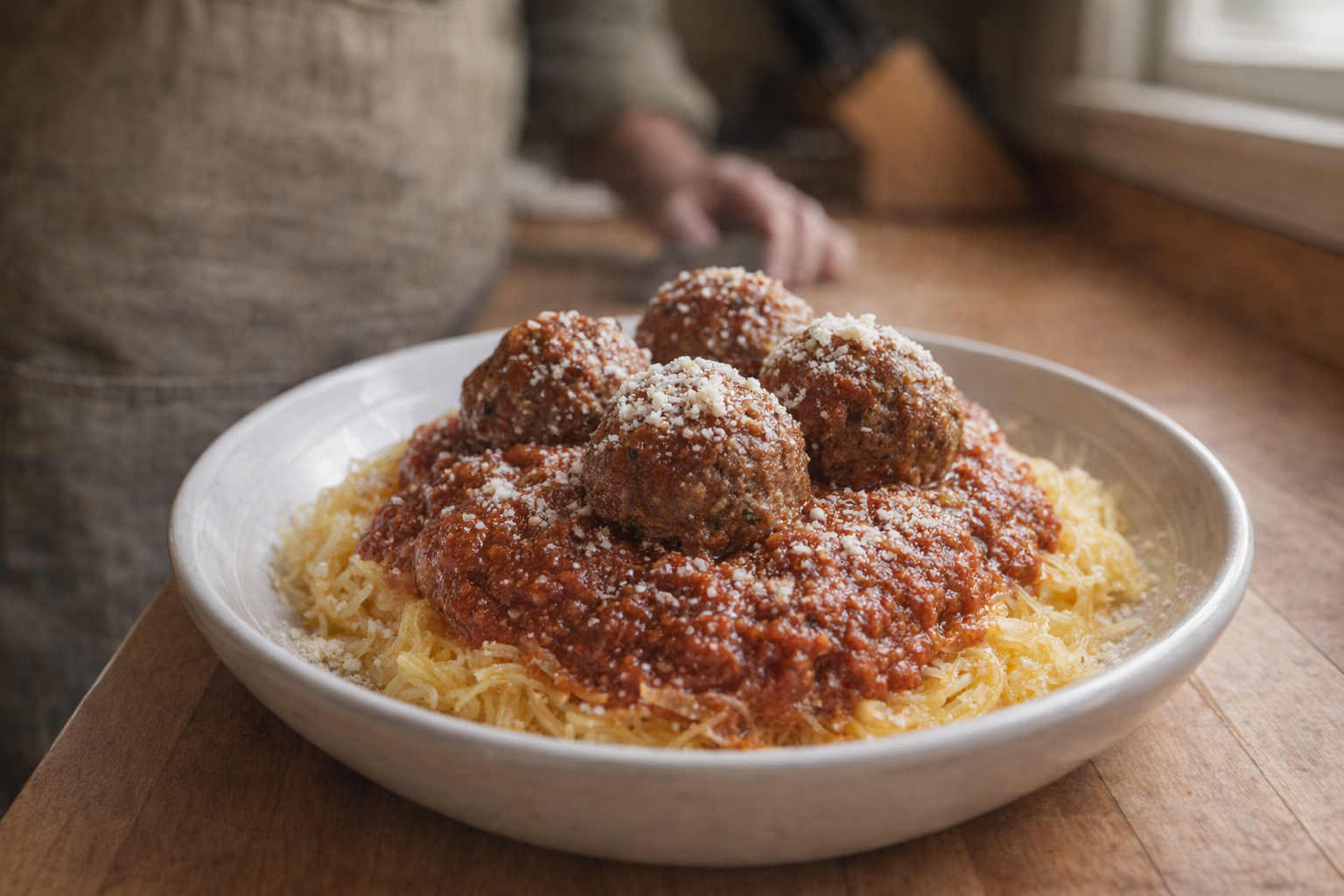
Spaghetti squash is a versatile and often overlooked vegetable that deserves a place in every home cook's repertoire. Its mild, slightly sweet flavor profile makes it a fantastic blank canvas for a variety of sauces and seasonings. When cooked properly, the flesh transforms into delicate, spaghetti-like strands, offering a healthy and delicious alternative to traditional pasta. This guide will show you various techniques to master cooking spaghetti squash, ensuring perfectly tender strands every time.
The beauty of cooking spaghetti squash whole lies in its simplicity and the way it preserves the vegetable's natural moisture. Instead of battling with a tough, unwieldy squash to cut it raw, we harness the power of heat to soften it from the inside out. This method yields consistently tender strands and minimizes the risk of injury.

Understanding Spaghetti Squash
Spaghetti squash comes in a few varieties, but the most common is the standard yellow-skinned squash. Look for squash that feels heavy for its size, indicating good moisture content. The skin should be firm, smooth, and free of blemishes, soft spots, or mold. Smaller to medium-sized squash (around 2-3 pounds) are generally sweeter and cook more evenly. Avoid any squash with green tinges, as this indicates it was picked before it was fully ripe.
Why Cook Spaghetti Squash This Way?
- Versatility: Spaghetti squash can be used as a low-carb substitute for pasta, a base for casseroles, or a side dish with roasted meats.
- Flavor: Its mild flavor complements a wide range of sauces and seasonings, from simple olive oil and herbs to rich tomato-based sauces.
- Convenience: Cooking the squash whole softens it, making it much easier to handle and prepare for various recipes.
Preparation (Mise en Place)
Because we are cooking the spaghetti squash whole, the prep is minimal. No thawing is required, as you'll be purchasing a fresh squash. However, to ensure even cooking and prevent explosions in the microwave, some simple steps are crucial.
- Wash the Squash: Thoroughly wash the exterior of the spaghetti squash to remove any dirt or debris.
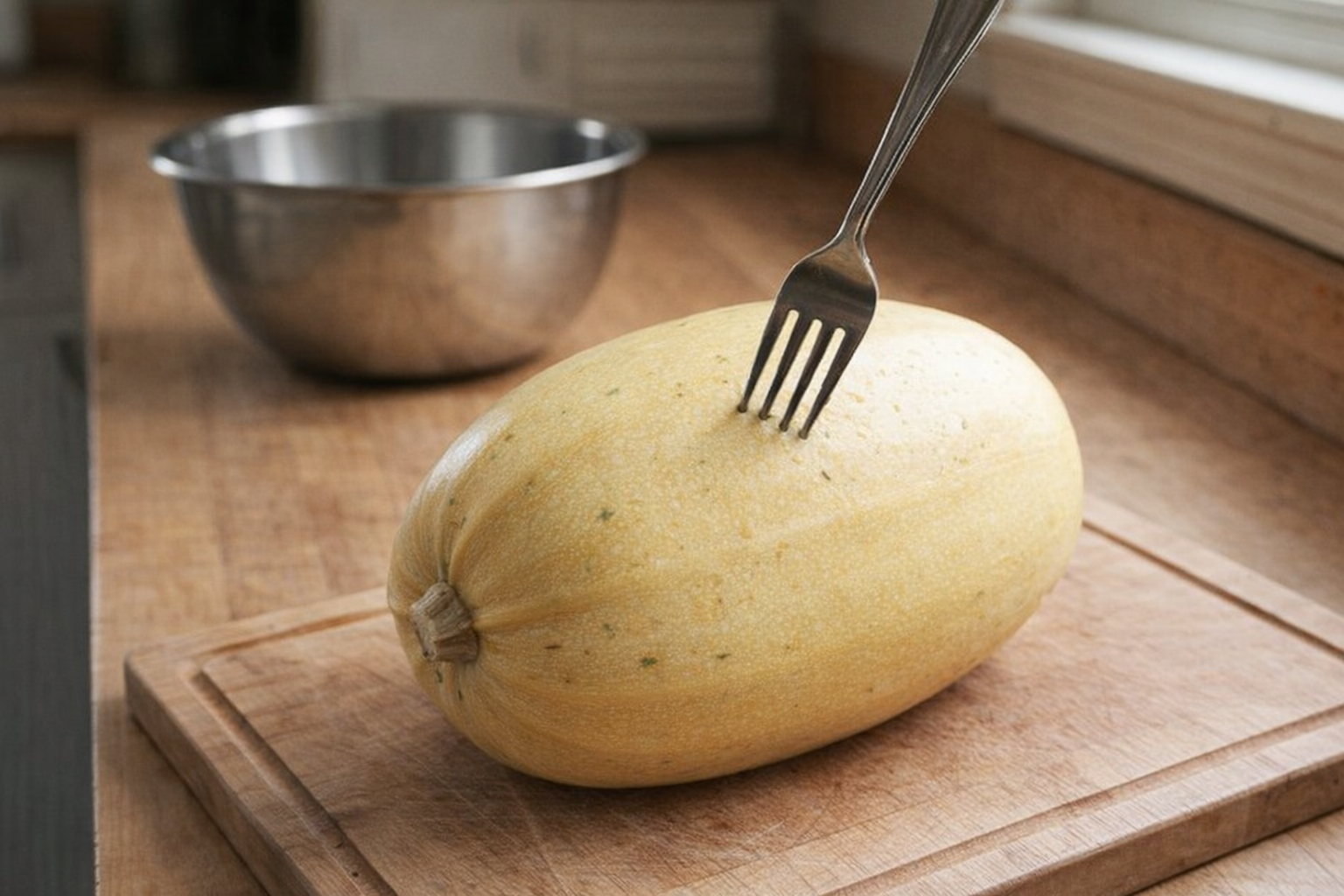
- Pierce the Skin: Using a fork or knife, pierce the skin of the squash multiple times (at least 10-12) all over. This allows steam to escape during cooking, preventing pressure buildup and potential bursting.
Essential Tools
- Fork or Knife: For piercing the squash.
- Microwave-Safe Dish (for microwaving): Large enough to accommodate the whole squash.
- Baking Sheet (for baking): For roasting the squash in the oven.
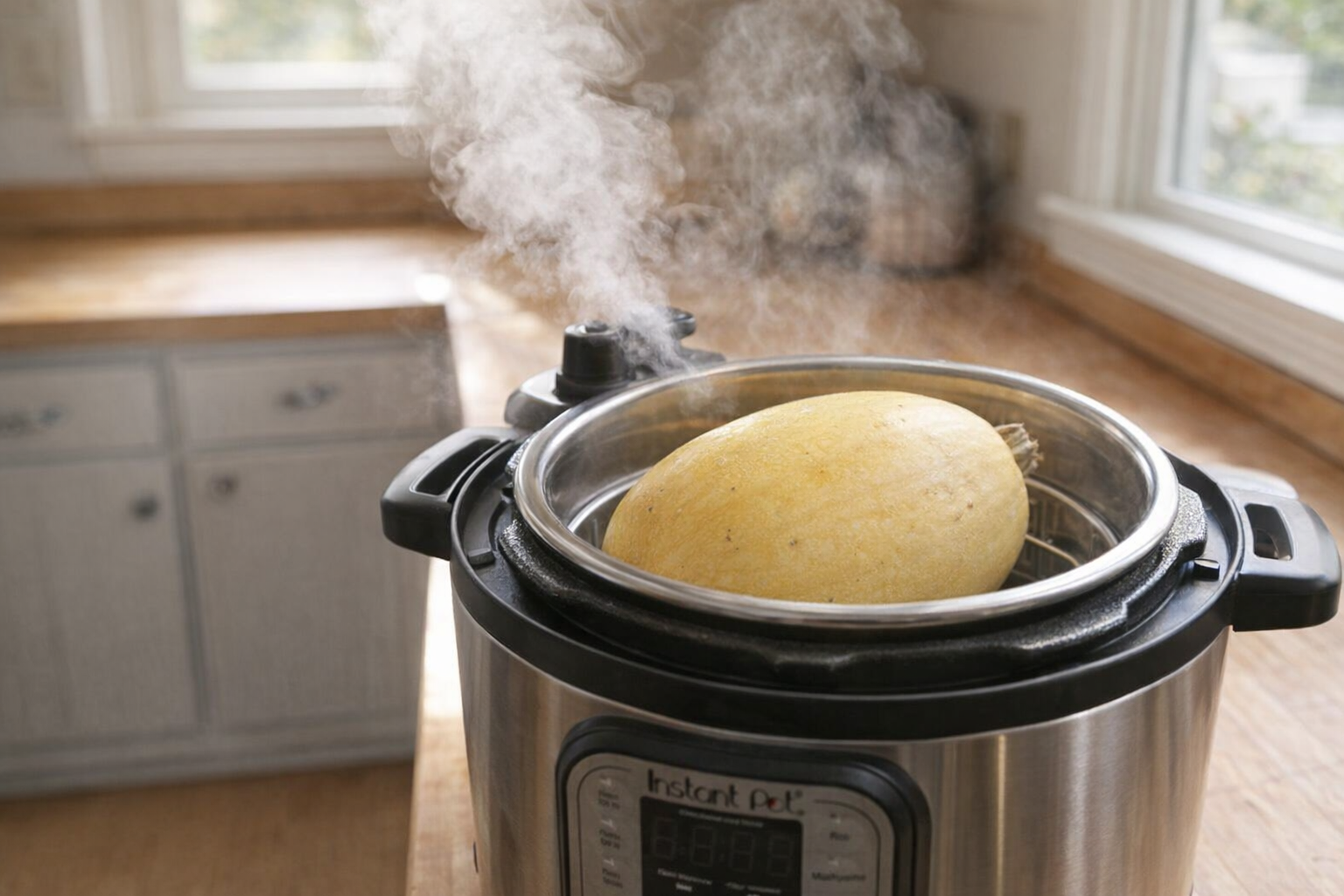
- Instant Pot (for pressure cooking): If using the Instant Pot method.
The Cooking Method(s)
Here are three methods for cooking spaghetti squash whole. Each method yields slightly different results, so choose the one that best suits your time and preferences.
Method 1: Microwaving
This method is the quickest and easiest, perfect for weeknight meals.
Ingredients:
- 1 medium spaghetti squash (2-3 pounds)
- 1/4 cup water
- Wash and pierce the spaghetti squash thoroughly with a fork.
- Place the squash in a microwave-safe dish and add 1/4 cup of water to the bottom of the dish.
- Cover the dish with a microwave-safe lid or plastic wrap, leaving a small vent for steam to escape.
- Microwave on high for 10-15 minutes, depending on the size of the squash. Check for doneness by carefully squeezing the squash; it should yield slightly to pressure. If it's still firm, continue microwaving in 2-minute intervals until tender.
- Carefully remove the squash from the microwave (it will be hot!). Let it cool slightly before cutting it in half lengthwise.
- Use a fork to scrape out the seeds and stringy bits. Then, scrape the flesh with a fork to create spaghetti-like strands.
Method 2: Baking/Roasting
This method takes longer but produces the most flavorful and evenly cooked spaghetti squash.
Ingredients:
- 1 medium spaghetti squash (2-3 pounds)
- 1 tablespoon olive oil
- Salt and pepper to taste
- Preheat oven to 375°F (190°C).
- Wash and pierce the spaghetti squash thoroughly with a fork.
- Place the whole squash on a baking sheet.
- Bake for 60-90 minutes, or until the squash is easily pierced with a fork.
- Carefully remove the squash from the oven and let it cool slightly before cutting it in half lengthwise.
- Drizzle the cut sides with olive oil and season with salt and pepper.
- Use a fork to scrape out the seeds and stringy bits. Then, scrape the flesh with a fork to create spaghetti-like strands.
Method 3: Instant Pot
The Instant Pot is a hands-off and relatively quick method for cooking a whole squash.
Ingredients:
- 1 medium spaghetti squash (2-3 pounds)
- 1 cup water
- Wash and pierce the spaghetti squash thoroughly with a fork.
- Pour 1 cup of water into the Instant Pot. Place the trivet inside.
- Place the whole spaghetti squash on the trivet.
- Secure the lid and set the valve to the sealing position.
- Cook on high pressure for 15-20 minutes, depending on the size of the squash.
- Let the pressure release naturally for 10 minutes, then quick-release any remaining pressure.
- Carefully remove the squash from the Instant Pot and let it cool slightly before cutting it in half lengthwise.
- Use a fork to scrape out the seeds and stringy bits. Then, scrape the flesh with a fork to create spaghetti-like strands.
Cooking Time & Doneness Guide
- Microwave: 10-15 minutes on high.
- Oven: 60-90 minutes at 375°F (190°C).
- Instant Pot: 15-20 minutes on high pressure.
Visual Cues
The squash is done when the skin yields slightly to pressure, and you can easily pierce it with a fork. If baking, the skin may also start to wrinkle slightly.
Tips for Perfection
- Don't skip piercing the skin: This is crucial to prevent explosions, especially in the microwave.
- Let it cool slightly: Before cutting, let the squash cool for a few minutes to make it easier to handle.
- Use a sturdy fork: A strong fork will make scraping the strands much easier.
- Season after cooking: Season the strands with salt, pepper, and any other desired seasonings after scraping.
Storage & Reheating
Storage: Store cooked spaghetti squash strands in an airtight container in the refrigerator for up to 3-4 days.Reheating: Reheat in the microwave for 1-2 minutes, or in a skillet over medium heat with a little olive oil. Avoid over-reheating, as the strands can become mushy.
Serving Suggestions
- With Marinara Sauce: A classic and simple way to enjoy spaghetti squash.
- Garlic and Herb Butter: Toss the strands with melted butter, garlic, and fresh herbs like parsley or thyme.
- As a Salad Base: Combine cooked and cooled spaghetti squash with your favorite salad ingredients, such as grilled chicken, feta cheese, and cherry tomatoes.
- Stuffed Squash: After removing the strands, fill the squash halves with a mixture of ground meat, vegetables, and cheese, then bake until heated through.
💡 Pro Tips
- Use a sharp knife or fork to poke several deep holes across the surface of the whole squash to allow steam to escape safely during the roasting process.
- Test if the squash is fully cooked by pressing the skin with your thumb; it should feel slightly soft and give way under gentle pressure.
- Let the squash rest for at least ten minutes after removing it from the oven to make it easier to handle and slice safely.
- For the longest possible strands, cut the cooked squash crosswise into thick rings rather than lengthwise before scraping out the flesh with a fork.
- Toss the finished strands with a small amount of olive oil or butter immediately after shredding to prevent clumping and enhance the vegetable's natural sweetness.
Frequently Asked Questions
The squash is done when the skin is easily pierced with a fork or knife. It should feel slightly soft to the touch, but not mushy. If you're baking it, you can also gently squeeze the squash; it should give a little.
Yes, you can cook spaghetti squash ahead of time. Allow the cooked squash to cool completely, then store it in an airtight container in the refrigerator for up to 3-4 days. You can then easily reheat it or use it in your desired recipe.
If you don't have a microwave-safe dish, you can skip the microwave method and go straight to baking it in the oven. Just make sure you pierce the skin of the squash multiple times before baking to allow steam to escape.
Excess water can occur if the squash wasn't pierced enough before cooking, preventing steam from escaping. After cooking, let the squash sit cut-side down for a few minutes to drain excess moisture before shredding the strands.